Swedish Licensing Standards: Directing Reel Feature Designs and Reward Pathways in Regulated Digital Platforms
Katja Baumann · Nov 7, 2026
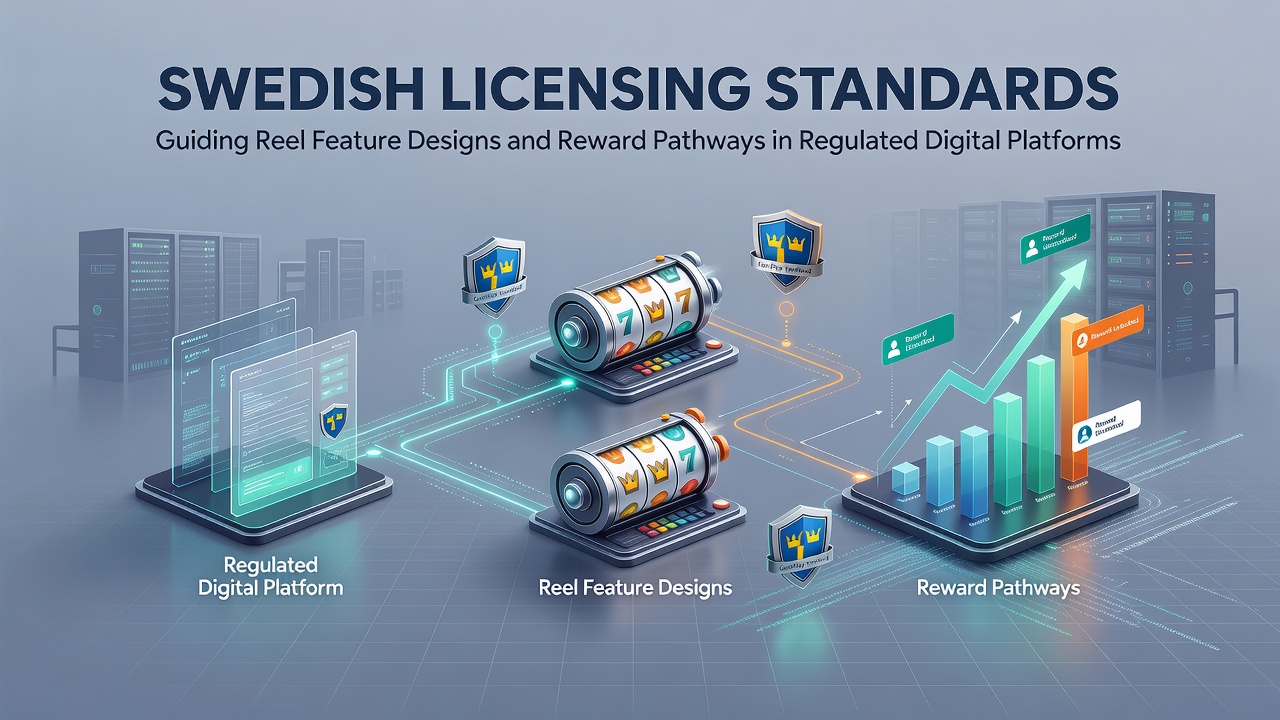
Swedish Licensing Standards: Directing Reel Feature Designs and Reward Pathways in Regulated Digital Platforms
Swedish licensing standards establish clear parameters for reel feature designs and reward pathways across regulated digital platforms, and these rules shape how game developers configure symbols, paylines, and bonus triggers while maintaining compliance with the Spelinspektionen framework. Operators must align their slot mechanics with specific technical requirements that govern return-to-player percentages, volatility levels, and feature frequency, which creates a structured environment where innovation occurs within defined boundaries.
Core Licensing Requirements for Reel Configurations
Regulations mandate that every reel feature undergoes rigorous testing before deployment, and this process covers everything from symbol weighting to the mathematical models that determine hit rates on individual paylines. Data from compliance reports shows that licensed platforms must submit detailed documentation outlining how each reel element contributes to overall game fairness, while developers adjust designs to meet these thresholds without compromising player engagement metrics. Observers note that the emphasis on transparency extends to visual representations of reels, requiring clear indicators for special symbols such as wilds, scatters, and multipliers that influence reward pathways.
Technical standards also address the integration of cascading mechanics and expanding reels, yet these features receive approval only when their underlying algorithms produce predictable outcomes within licensed parameters. Research indicates that platforms operating under Swedish oversight often incorporate layered reel structures that balance base game frequency with occasional high-impact sequences, and this approach stems directly from licensing directives aimed at preventing excessive volatility spikes.
Influence on Reward Pathway Development
Reward pathways, including progressive accumulators and tiered bonus rounds, follow licensing guidelines that dictate contribution rates and payout structures, and these rules ensure that jackpot pools grow at controlled intervals while remaining accessible through standard reel interactions. According to figures from industry analyses, licensed operators allocate specific percentages of wagers to progressive systems, which in turn affects how reel features trigger entry into those pathways. Developers design reel sequences that feed into these systems through dedicated symbol combinations, and the licensing process verifies that such pathways do not create disproportionate advantages for any single player segment.
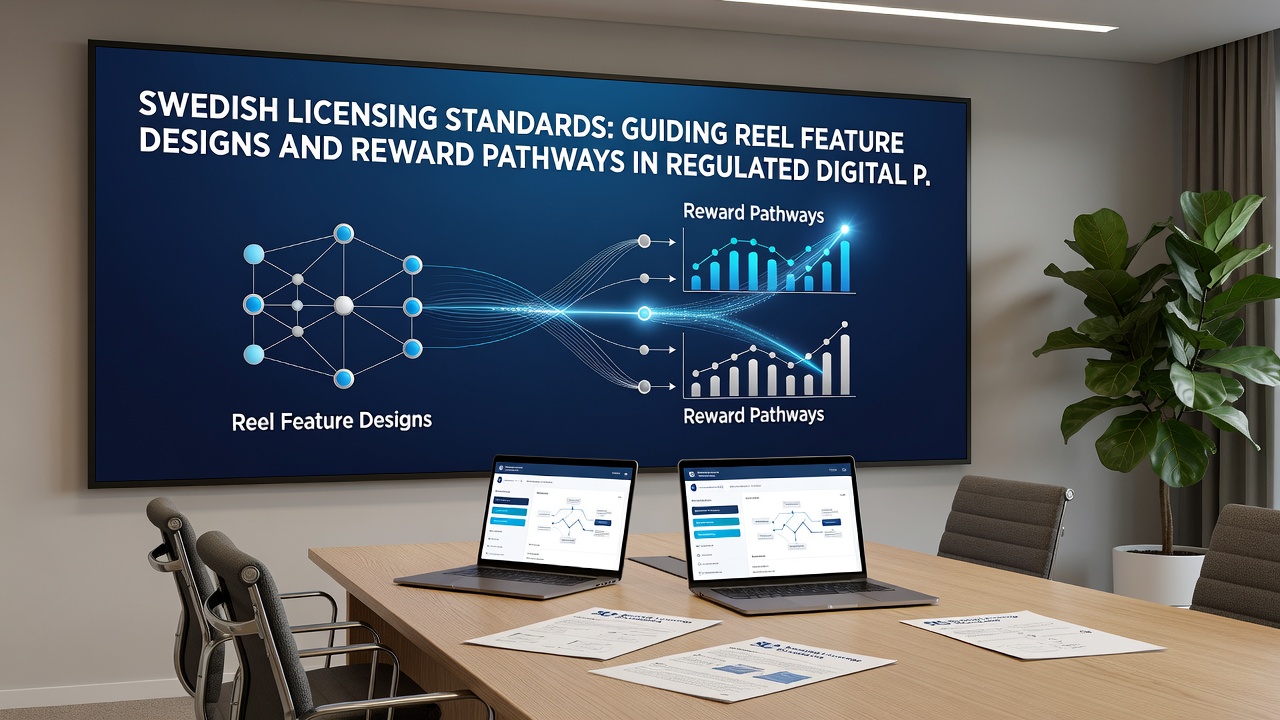
Studies conducted by European research institutions highlight how Swedish standards encourage modular reward designs, allowing platforms to connect multiple reel features to shared bonus ladders without breaching fairness thresholds. This modular approach appears in games where base reel spins accumulate points toward higher-tier rewards, and licensing audits confirm that progression rates remain consistent across sessions. What's interesting is that these pathways often incorporate time-limited events tied to regulatory reporting cycles, which helps maintain ongoing compliance while introducing fresh reel interactions for players.
November 2026 Regulatory Updates and Platform Adaptations
Scheduled adjustments to licensing protocols take effect in November 2026, and these changes focus on enhancing traceability for reel-triggered reward events across mobile and desktop environments. Platforms prepare by refining their backend systems to log every reel feature activation that contributes to reward pathways, which aligns with updated transparency mandates from oversight bodies. Industry reports reveal that developers already test reel configurations under the forthcoming rules, adjusting symbol distributions and bonus entry conditions to accommodate new data collection requirements without altering core gameplay loops.
Those who monitor regulatory trends point out that the November 2026 updates also introduce guidelines for cross-platform reward synchronization, meaning reel features on one device must produce equivalent pathway progress when accessed on another. This requirement drives technical refinements in how games handle session data and feature persistence, and licensed operators respond by implementing unified tracking frameworks that satisfy both existing and upcoming standards.
Case Examples from Licensed Platforms
One documented instance involves a major operator that reconfigured its reel layouts to include additional low-volatility symbol clusters after licensing review, and this adjustment maintained compliance while preserving access to established reward pathways. Another example shows developers incorporating verified random number generators directly into cascading reel sequences, which ensures that each step in a reward pathway adheres to fairness criteria set by Swedish authorities. External evaluations from organizations such as the Canadian Centre for Gaming Research have examined similar regulatory models and found parallels in how licensing shapes feature frequency and payout transparency.
Additional insights come from reports issued by the European Gaming Association, which document how platforms adapt reel mechanics to support diverse reward structures under strict oversight. These adaptations include refined trigger conditions for bonus rounds that feed into progressive systems, and the documented cases illustrate consistent application of licensing standards across different game titles.
Conclusion
Swedish licensing standards continue to direct the evolution of reel feature designs and reward pathways by imposing measurable criteria that developers and operators must satisfy, and this framework produces a stable yet adaptable environment for regulated digital platforms. The November 2026 updates represent the next phase in this ongoing process, with platforms already aligning their technical implementations to meet enhanced reporting and synchronization demands. Data from compliance records and independent analyses confirms that these standards maintain consistent outcomes for reel mechanics and reward progression while supporting innovation within defined limits.