Sweden's Gambling Regulations: Directing Jackpot Evolution on Mobile Devices
Harper Jung · Sep 26, 2026
Sweden's Gambling Regulations: Directing Jackpot Evolution on Mobile Devices
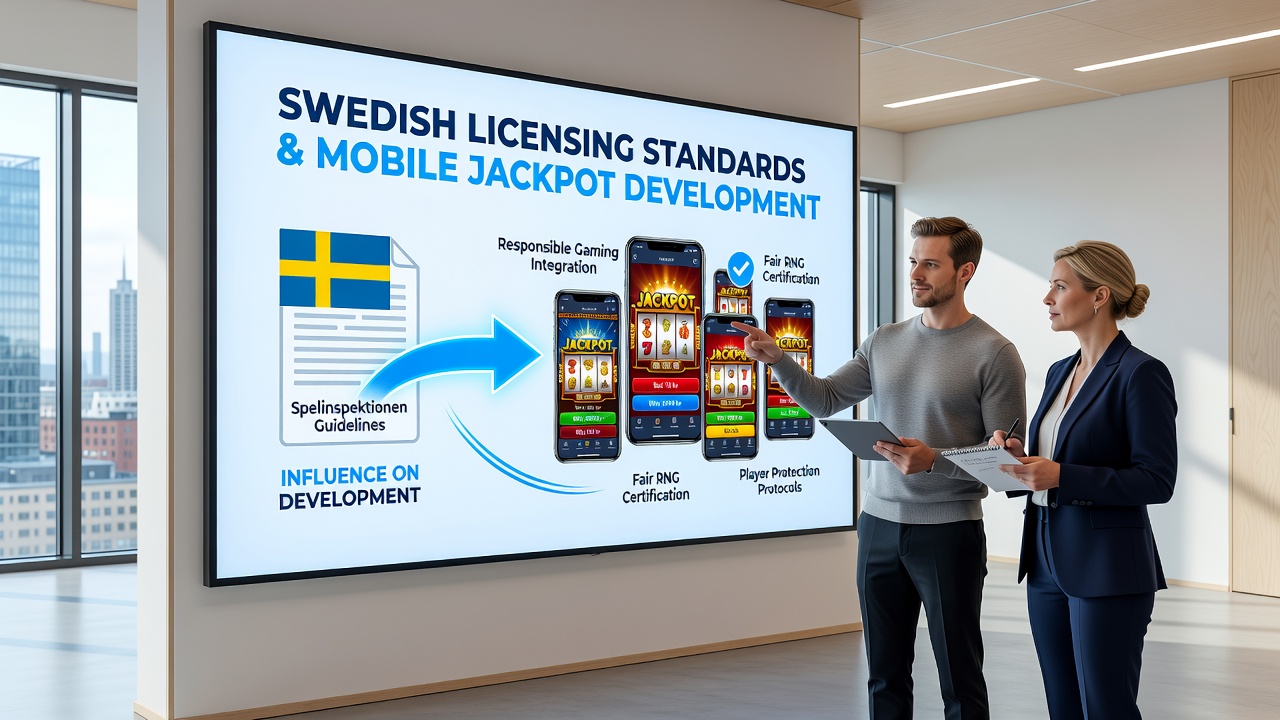
Swedish licensing standards operate under the Spelinspektionen authority and establish clear technical and operational rules that directly shape how developers build jackpot features for mobile platforms, with compliance checks covering everything from random number generators to payout structures and responsible gambling integrations.
Core Licensing Requirements for Jackpot Systems
Developers must submit games for certification through accredited testing labs before they reach licensed operators, and this process includes detailed scrutiny of jackpot pools, contribution rates, and seed amounts to ensure they align with national fairness standards. Research from teh European Gaming Institute indicates that these certification steps often require adjustments to progressive jackpot algorithms so that mobile sessions maintain consistent probability calculations across varying connection qualities.
Technical Specifications for Mobile Compatibility
Every jackpot mechanic undergoes evaluation for seamless performance on smartphones and tablets, which means code must handle interruptions like incoming calls or battery-saving modes without corrupting the prize accumulation data. Observers note that studios frequently redesign network synchronization protocols to meet these demands, resulting in more resilient server-client communication that keeps jackpot counters accurate in real time.
Influence on Game Mechanics and Payout Structures
Regulations cap certain bonus features tied to jackpots and limit how aggressively games can advertise large wins, which pushes developers toward layered prize systems that distribute smaller wins more frequently while reserving major jackpots for verified play sessions. Data from industry reports shows this approach has led to increased use of local jackpots alongside shared progressive pools, allowing mobile titles to comply while still offering substantial rewards.
One studio adjusted its flagship mobile slot after initial certification feedback and introduced a tiered jackpot model where lower tiers trigger through standard spins and higher tiers require verified deposits, a change that satisfied both regulatory and technical reviewers. Such modifications demonstrate how licensing standards steer creative decisions toward balanced risk-reward frameworks that work reliably on handheld devices.
Responsible Gambling Integrations in Jackpot Design
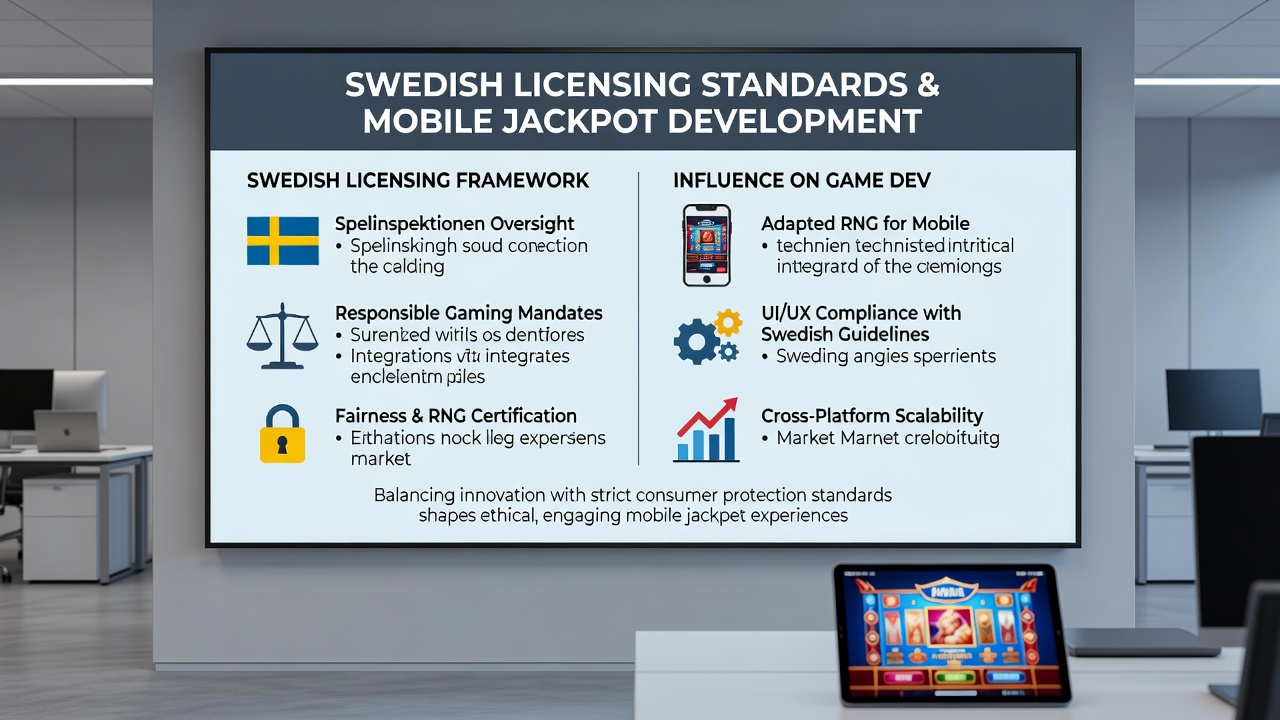
Licensing rules require prominent display of spending limits and session timers, and these elements must integrate directly into the jackpot interface without disrupting gameplay flow. Developers incorporate pop-up warnings and automatic cool-down periods that pause jackpot contributions when thresholds are reached, a practice supported by findings from the Australian Institute of Family Studies on harm minimization in digital gaming environments.
Because mobile users often play in short bursts, the standards emphasize clear visibility of contribution percentages so players understand exactly how their bets feed into larger prizes. This transparency requirement has prompted several studios to redesign their information panels with larger text and simplified icons suited to smaller screens.
Developments Anticipated by September 2026
Updated technical guidelines scheduled for review in September 2026 focus on enhanced encryption standards for jackpot data transmission and stricter testing for cross-device jackpot synchronization. Companies already preparing submissions note that these forthcoming rules will likely increase certification timelines yet produce more secure mobile experiences overall.
External sources such as the Spelinspektionen regulatory portal outline the ongoing consultation process, while a separate analysis published by the Canadian Centre for Gaming Research highlights similar certification trends across multiple jurisdictions and their effects on mobile jackpot scalability.
Conclusion
Swedish licensing standards continue to guide the evolution of jackpot features by enforcing rigorous certification, mobile-specific technical requirements, and integrated responsible gambling tools, and these rules have produced measurable shifts in how developers structure prize pools and interface elements for handheld platforms. The framework remains dynamic, with further refinements expected by September 2026 that will build on existing compliance practices.